

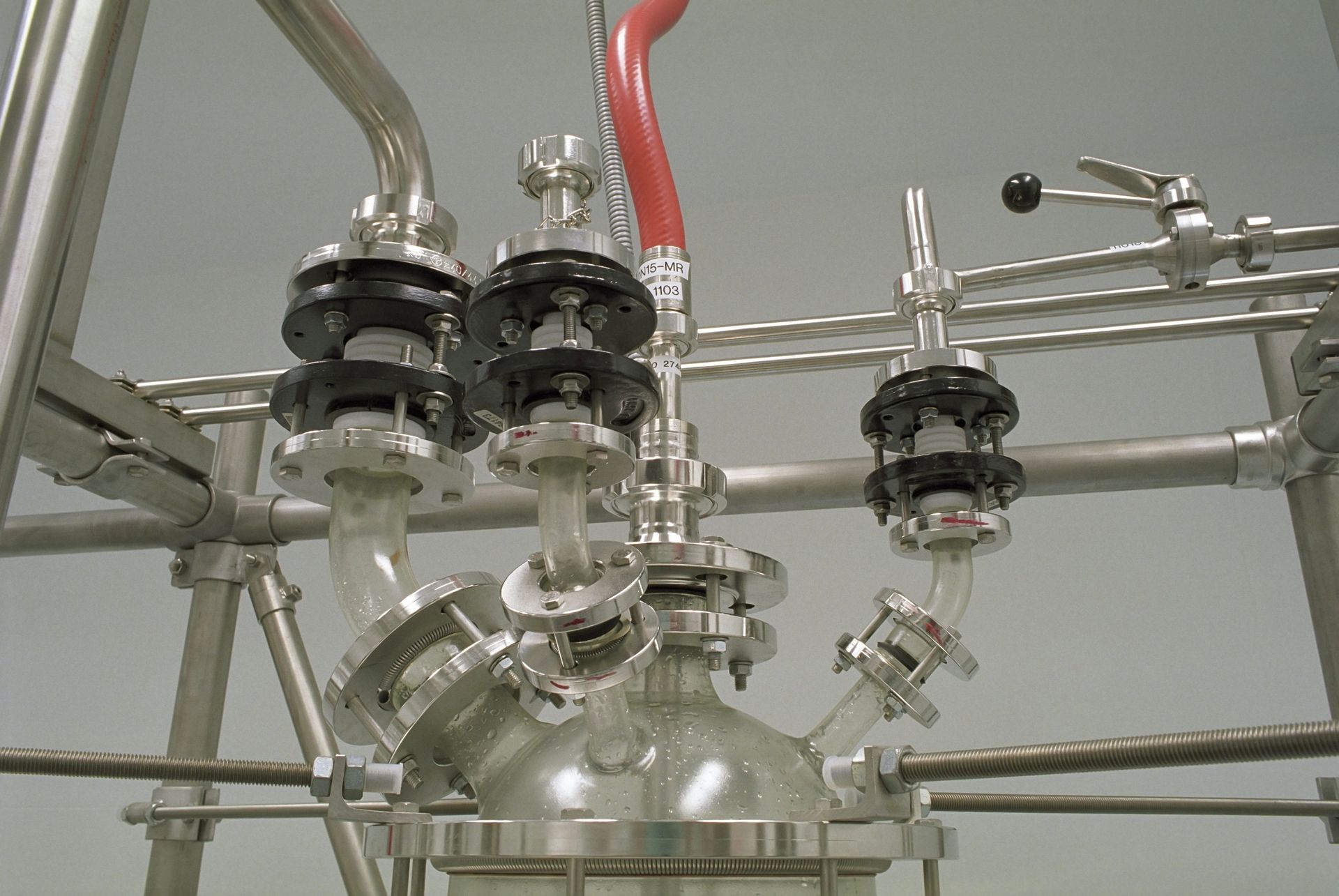
ASME BPE 2026: when safety is no longer enough
In the world of pressure vessels, compliance with the ASME code has for decades been synonymous with assurance: structural safety, mechanical integrity, reliability. But in the most critical sectors (pharmaceutical, biotechnology, food), this is no longer sufficient. Alongside integrity, hygiene and cleanability are now also key considerations.
This is where ASME BPE comes into play, the standard for Bioprocessing Equipment.
Two codes, a single product
ASME BPE is not a construction code in the traditional sense: it does not define minimum thicknesses, safety factors or structural calculations. It defines something different and complementary: namely, the requirements for hygiene, cleanability and control of bacterial contamination in high-purity process plants.
Until now, for a manufacturer of bioreactors or heat exchangers intended for the pharmaceutical industry, operating at the intersection of the two codes was a matter of expertise and goodwill. According to some early reliable rumours, from 2026 it will become a matter of certification.
ASME has indirectly announced that the next edition of the BPE will, for the first time, include certification for ‘tanks and vessels’. Soon, with the new publication, we will be able to see whether the certification programme – which began with pipes and fittings and was gradually extended to gaskets and valves – will indeed be completed with the most complex and critical component: the vessel itself.
What are the risks for those who fail to comply?
The risk will not come with a formal warning but will arise quietly: some companies will not lose contracts, they will simply cease to be invited to tender. The specifications of major pharmaceutical groups and international engineering companies have included ASME BPE requirements for years. Those who do not meet them are excluded during the supplier qualification phase, even before price comes into play.
For a manufacturing SME wishing to grow in regulated markets, this means one concrete thing: failing to comply today will not be a neutral choice. It is a choice that restricts the market accessible tomorrow.
What this means in practice
This is no small challenge. ASME BPE is not currently a standard referenced in Section VIII, Division 1 of the ASME BPVC, the primary construction code for pressure vessels. This means that certification requires the overlapping of the Codes. In other words, it requires a systematic analysis of every aspect: materials, dimensions, tolerances, thicknesses, non-destructive testing, weld design, traceability... verifying consistency and compatibility between the two sets of standards.
For manufacturers, this means needing expertise that rarely coexists in a single professional role.
Expertise born of practical experience
The path to this dual expertise requires time and method. It is not enough to know the codes: one must have worked practically with both, having understood where the two standards overlap and where they conflict.
I have supported companies on this journey: some started from scratch with the ASME codes, others already had the STAMP but had never dealt with the BPE.
The bioprocessing market (pharmaceuticals, bioreactors, facilities for the production of vaccines and advanced therapies) is experiencing structural growth. The demand for expertise that can combine safety and biocompatibility will grow alongside it.
Will 2026 mark a point of no return?
Preparing today means being ready to operate in a market that will increasingly demand this capability.
Every strategy starts with a conversation... Let’s talk!
#ASME #BPE #BioprocessingEquipment #Pharma
Last Posts