




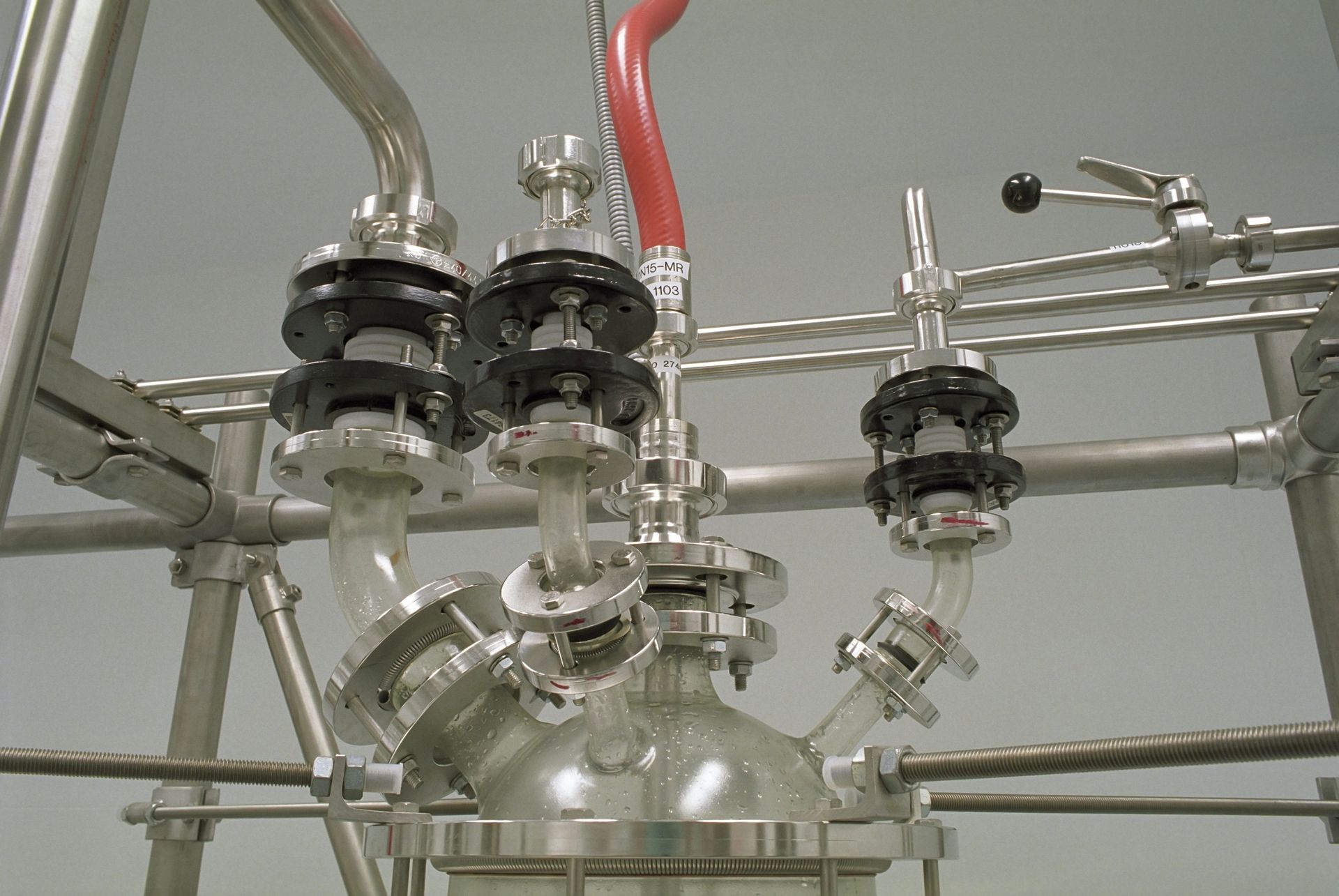
In summary: with the 2026 Edition, ASME BPE is including pressure vessels within its scope of certification for the first time. For manufacturers of bioreactors and pressure vessels used in bioprocessing, this means one thing in practical terms: those who fail to comply will not simply lose a tender; they will be directly excluded. Below, we outline what is changing, why it matters for business, and what decisions need to be taken.

Delegation is more than assigning tasks — it requires proper training, hands-on practice, and clear rules of engagement. Learn how to define the boundaries within which people can act independently, avoiding costly mistakes and improving team management.

Your father built something extraordinary. You are carrying on his legacy with dedication. But in twenty years’ time, what will those who come after you find?

Choosing the Right Approach in Management
Change doesn't come off the shelf: discover how the Temporary Manager acts as the organization's doctor to unlock the energy already within the company.
Is ASME certification mandatory in the US and Canada? More countries than you think require it and the answer may surprise you.
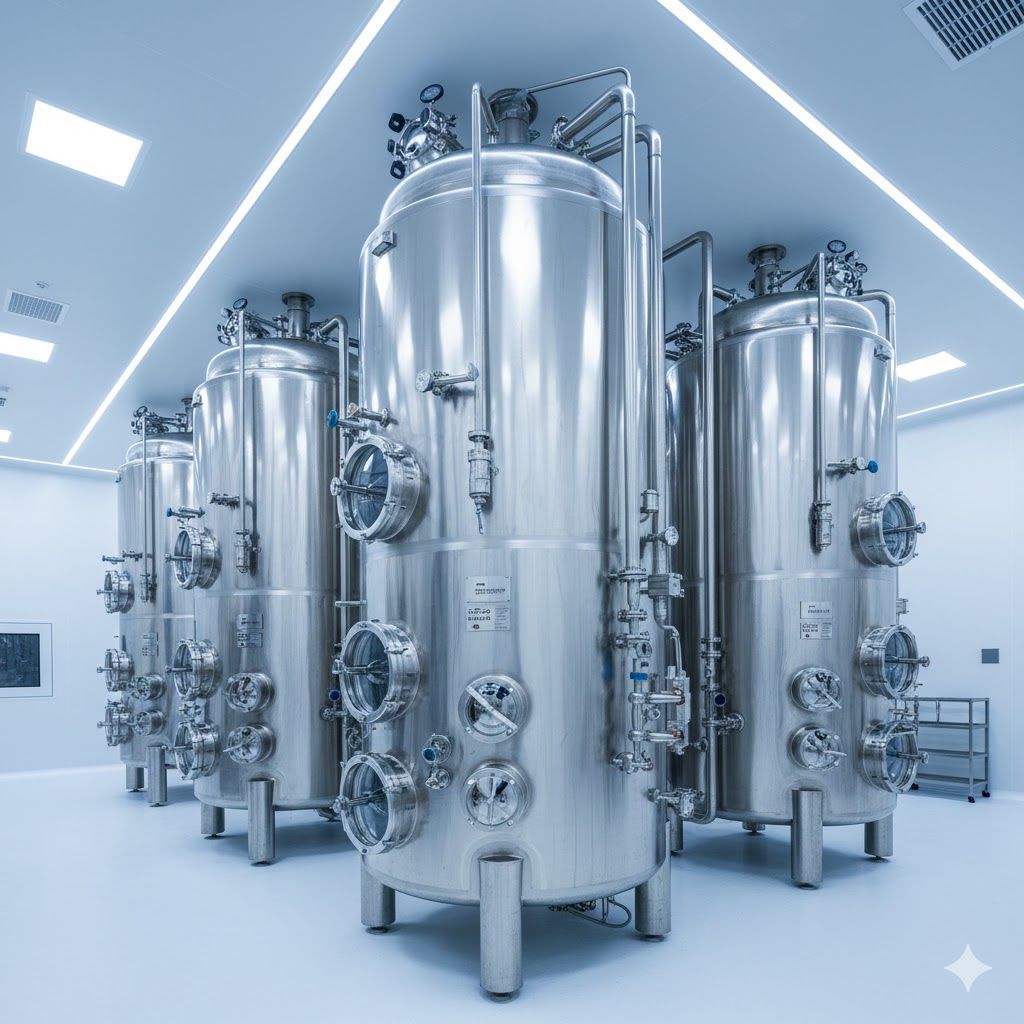
In the world of pressure vessels, compliance with the ASME code has for decades been synonymous with assurance: structural safety, mechanical integrity, reliability. But in the most critical sectors (pharmaceutical, biotechnology, food), this is no longer sufficient. Alongside integrity, hygiene and cleanability are now also key considerations.
A legacy which is a source of inspiration

In every company there is a meeting room where everyone nods. Not out of conviction, but because no one wants to be the only one who thinks differently. The Potemkin Paradox is a story about leadership that starts with a scene from a classic Italian comedy and arrives at the heart of a real problem: when consensus is s