




Temporary Management
Companies and SMEs need competent managers
Who am I addressing?
I work with entrepreneurs, general managers, technical directors, and operations managers of manufacturing companies who need hands-on managerial guidance in their technical or operations departments, whether at a critical time or during a growth phase, or simply when they need an outside, hands-on perspective.
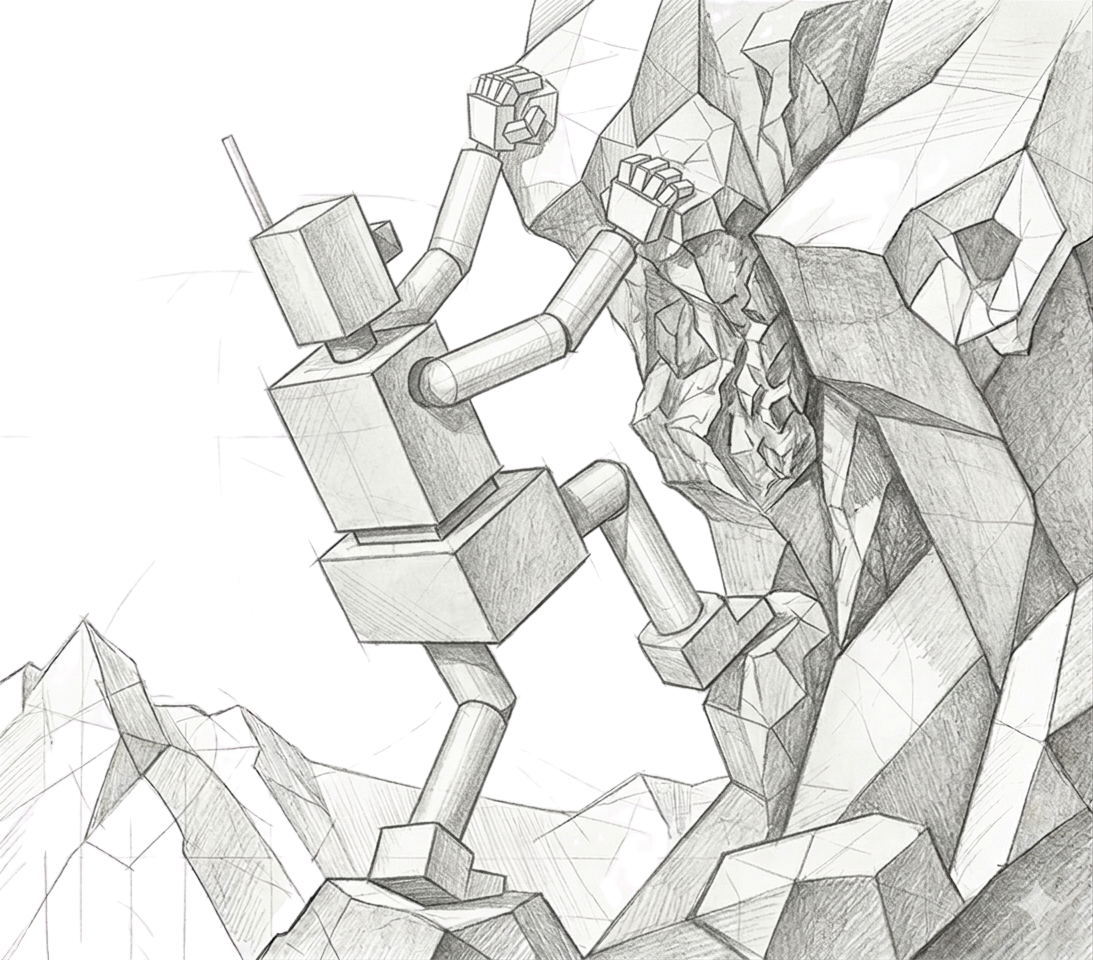
When you need a Temporary Manager
Interim Management is useful when a company faces challenges it can't overcome on its own—organizational, generational, product-related, or market-related — but also when it decides to grow: new markets, new sectors, new products, or simply a leap in quality that requires skills and methods that aren't yet available internally.
I'm joining temporarily to lead organizational changes, realize the entrepreneur's vision, manage projects, and fill managerial gaps — with the goal of making the company self-sufficient within a defined timeframe.
I work in the technical office and operations: design, laboratory, applied research, warehouses, production and after-sales assistance.
Technical continuity and organizational transitions
Technical office
Transitions related to the turnover of key technical personnel. Transfer of knowledge and responsibilities, even in unplanned contexts. Securing critical skills. Supporting and coaching new managers. Stabilizing teams, restoring functional organizational structure.
Product Configuration
- Component standardization,
- Architecture modularization,
- Product configuration, variant management,
- Transition from Engineering To Order to Configuration To Order.
- Fit-Gap analysis between product portfolio, market, and industrial strategy.
Design to Cost
- Costing process before and during design.
- Informed choice of technological processes based on volumes.
- Principles.
- Design for Manufacturing.
- Alignment between cost, performance, and industrialization objectives.
Organization, KPIs
- Simple indicators for monitoring technical activities.
- Integrated planning of projects, orders, and resources.
- Product development project management.
- Structured technical order management, from quotation to delivery.
Technical-Industrial Offer
- Technical feasibility assessment during the offer phase.
- Industrial cost estimation based on solid technical foundations.
- Alignment of technical, operations, and sales departments.
- Reduction of risks of unsustainable orders.
Product industrialization
- Transition from prototype to pre-series.
- Transition from pre-series to industrial product.
- Structuring of BOM, EBOM, MBOM, and configurations.
- Product stabilization before launching.
Design Software and Digital Systems
- Introduction and informed use of CAD and PLM.
- Adoption of product configurators.
- Setting up industrial cost simulators.
- Engineering simulations to support decisions.
Laboratory, Validation
- Definition of what to measure and why.
- Creation of clear and repeatable technical reports.
- Choice of measurement instruments, error management, and calibration.
- Design of experiments to reduce time and uncertainty.
Analysis of the production process and industrialization
Operations
Starting from an in-depth analysis of existing processes, we assess where the production system cannot accommodate product evolution. From there, we identify critical issues and develop future-oriented technological and industrial scenarios.
Make or Buy
- Economic analysis of source and ending cost scenarios.
- Support for make-or-buy decisions.
- Management of industrial outsourcing projects.
- Selection and development of reliable production partners.
Continuous Improvement
- Structured collection of feedback from production.
- Support for redesign aimed at producibility and maintainability.
- Reduction of non-conformities, product stabilization.
Operations and Factory Governance
- Temporary assumption of Operations responsibility.
- Management of production flow from order to shipment.
- Integration between product, process, and organization.
- Restoration of operational control in complex or unstable contexts.
Factory Order Management
- Design and implementation of visual planning and scheduling systems.
- Operational management of production orders.
- Progress monitoring through shared indicators.
- Structured management of missing components and priorities.
Process Quality and Production Controls
- Definition of operating instructions and acceptability criteria.
- Setting up quality controls in production.
- Regulatory framework and compliance requirements.
- Non-destructive testing to support product reliability.